Blog
The Difference Between High-Quality and Poor-Quality Aggregat
introduction
Aggregate is one of the most essential components of concrete, road construction, and infrastructure projects, as it directly influences the strength, durability, and service life of structures. With the wide variety of aggregate available on the market, distinguishing between high-quality and poor-quality aggregate can be challenging. Using materials that do not meet the required specifications may compromise structural performance and result in significant maintenance and repair costs in the future
In this article, we highlight the key differences between high-quality and low-quality aggregate and explain how to choose the right type for your construction project
First: What Is Aggregate?
Aggregate is a coarse construction material produced by crushing natural rock into various sizes. It is widely used in
- Concrete production
- Road construction.
- Foundation works
- Sidewalks and interlocking paving (interlock)
- Infrastructure projects
Choosing the right aggregate is a fundamental step in ensuring high-quality construction and reliable project performance
Characteristics of High-Quality Aggregate
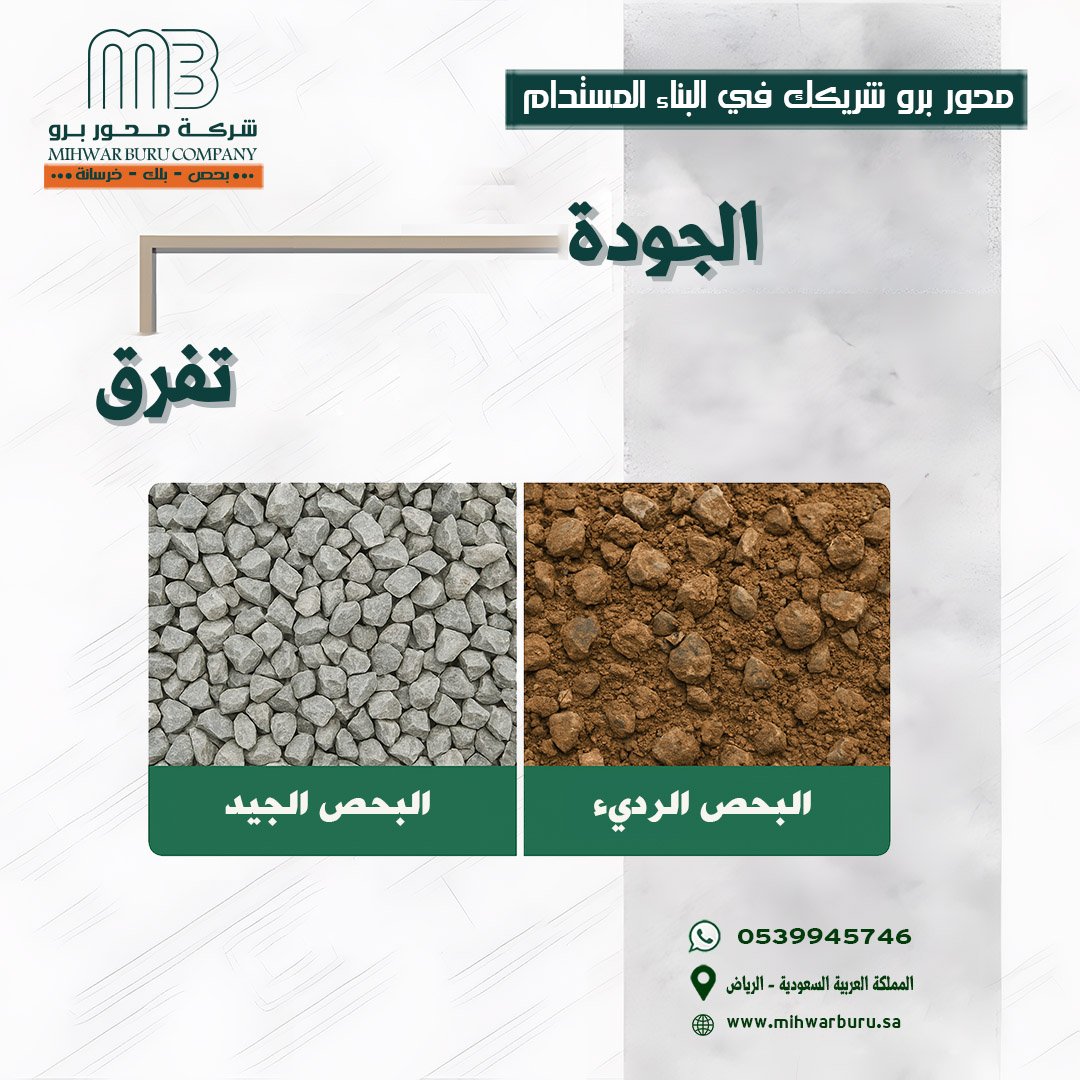
High-quality aggregate is distinguished by several key characteristics, including
1. High Strength and Hardness
High-quality aggregate should be strong, durable, and resistant to crushing and abrasion, enabling it to withstand heavy loads and maintain the structural integrity of concrete and pavement over the long term
High-quality aggregate should be free from clay, dust, organic matter, and other harmful impurities, as these contaminants can weaken the bond with cement and reduce the overall strength and durability of concrete
It should be clean and free from
- Dust and dirt
- Clay
- Organic matter
- Harmful salts
The presence of these impurities weakens the bond within the concrete, reducing its overall strength, durability, and long-term performance
3. Proper Particle Size Gradation
A well-graded distribution of aggregate sizes helps minimize voids within the concrete, resulting in greater strength, improved density, and enhanced durability
4. Proper Particle Shape
Aggregate particles should preferably be cubical or near-cubical in shape, as they provide better interlocking and stronger bonding within the concrete compared to flat or elongated particles, resulting in improved strength and durability
5. Compliance with Standards and Specifications
High-quality aggregate should comply with the applicable Saudi and Gulf standards and specifications for construction, roadworks, and infrastructure projects, ensuring consistent quality, structural reliability, and long-term performance
Characteristics of Poor-Quality Aggregate
Poor-quality aggregate is characterized by several defects, including
- Contains a high level of dust
- Contains clay impurities
- Large variation in particle sizes
- Low resistance to crushing
- High water absorption rate
- Presence of cracked or friable particles
?How Does Poor-Quality Aggregate Affect a Project
Using aggregate that does not meet the required specifications can lead to
Reduced concrete strength
As a result, concrete becomes more susceptible to cracking, deterioration, and even structural failure over time
Increased cement consumption
Because the voids between the aggregate particles are larger, more cement is required to fill these gaps, resulting in higher cement consumption and increased construction costs
Poor surface finish.
This can negatively affect the quality and appearance of the final finishes, leading to a less durable and less professional result.
Higher maintenance costs
As defects appear earlier, the structure requires more frequent repairs and maintenance, resulting in higher long-term costs
How to Identify High-Quality Aggregate
The quality of aggregate can be verified by:
- Visually inspecting its cleanliness
- Ensuring consistent particle size distribution
- Requesting laboratory test reports
- Purchasing from a trusted supplier
- Verifying that the product complies with the applicable standards and specifications
Why Is Choosing the Right Supplier Important?
Even if the source rock is of high quality, improper crushing, handling, transportation, or storage can negatively affect the quality of the final aggregate product
For this reason, it is always recommended to work with companies that have proven expertise in supplying construction materials and are committed to maintaining the highest quality standards throughout every stage of the supply process
Mihwar Buru’s Role in Supplying High-Quality Aggregate
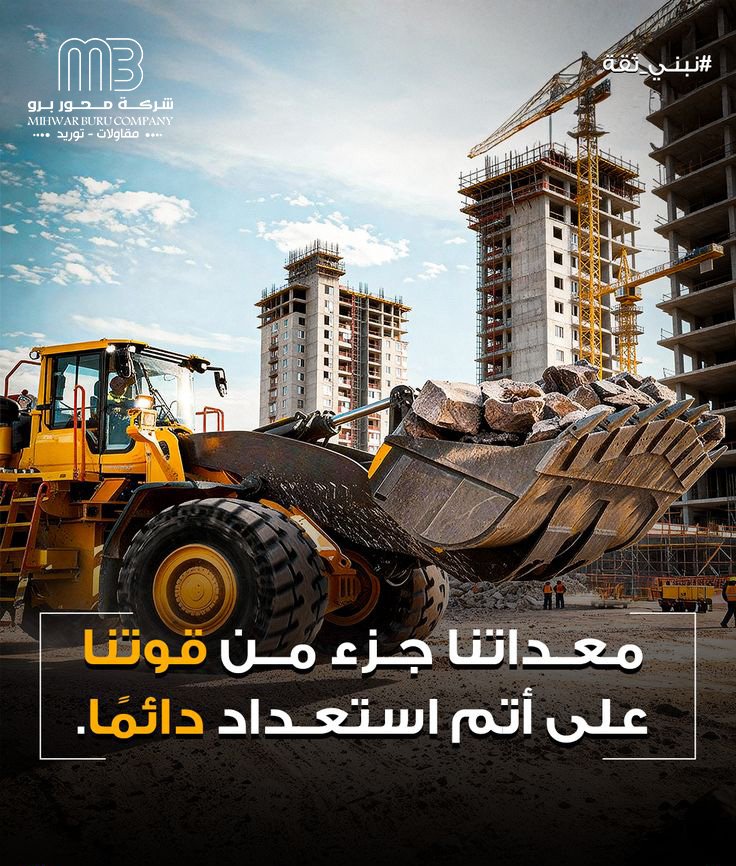
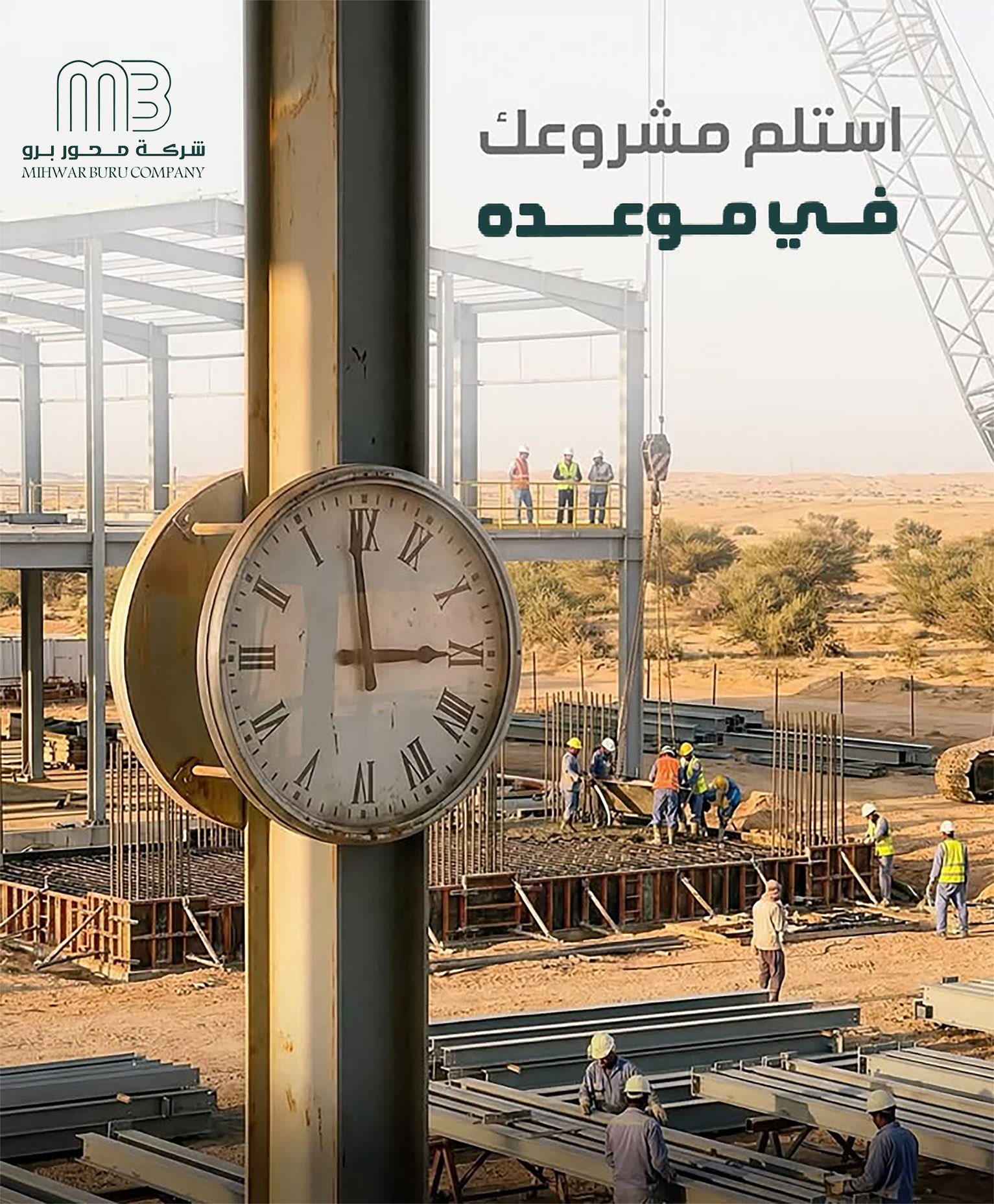
in In the construction industry, the success of a project depends not only on the quality of the materials but also on delivering them to the job site quickly and on schedule. With this in mind, Mihwar Buru Contracting & Supply Company has built a comprehensive transportation fleet designed to ensure efficient, reliable, and timely delivery of construction materials to projects across RiyadhAt Mihwar Buru, we are committed to supplying premium-quality aggregate, carefully sourced from certified quarries and crushers, in full compliance with the required technical specifications for construction, roadworks, and infrastructure projects throughout the Kingdom of Saudi Arabia
We also provide reliable supply and on-time transportation services, ensuring a continuous flow of materials and uninterrupted project execution without delays
conclution
Choosing the right aggregate is more than simply selecting a construction material—it is an investment in the quality, safety, and long-term performance of your project. The higher the quality of the aggregate, the greater the strength and durability of the concrete, the longer the service life of the structure, and the lower the future maintenance and repair costs
If you are looking for a reliable building materials supplier Mihwarburu company At Mihwar Buru, we provide comprehensive solutions for supplying high-quality aggregate and construction materials that meet the highest industry standards, supporting the needs of contracting, road construction, and infrastructure projects across the Kingdom of Saudi Arabia